Hurricane season in Jamaica runs from June 1 to November 30, but the work that protects your roof has to happen long before the first advisory comes through on the radio. The good news: most storm damage we see at BuildLink starts as a small problem a homeowner already knew about. The bad news: by August, every roofer in your parish is fully booked. Here is the checklist we send to homeowners every May.
1. Walk the perimeter before you go up
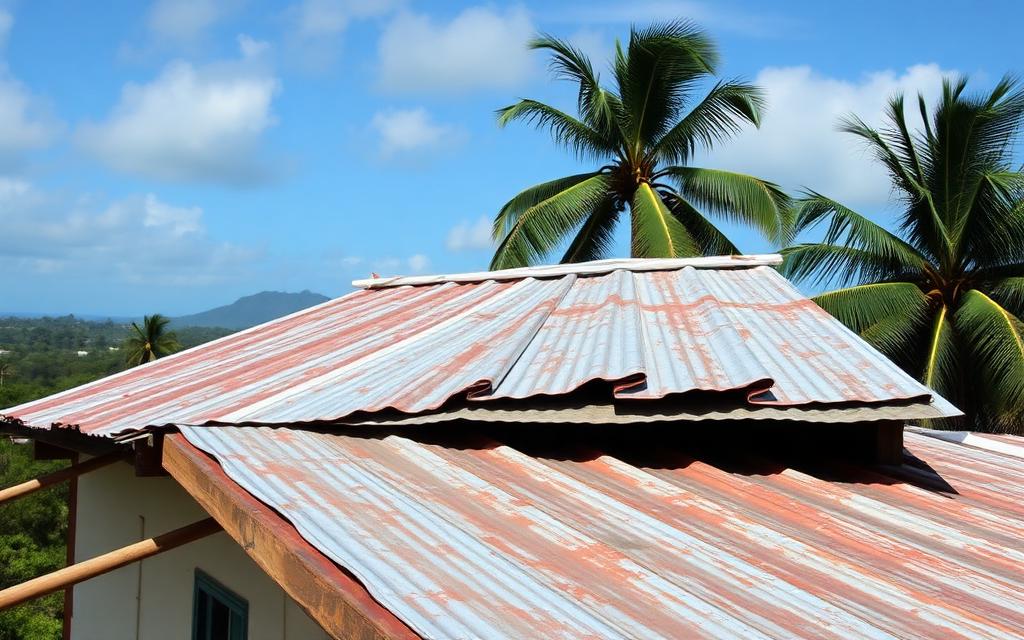
Before anyone climbs onto the roof, walk slowly around the house and look up. You are checking for sagging fascia boards, lifted edges on zinc sheets, and rust streaks running down the wall. Rust streaks almost always mean a fastener has failed, even if the sheet still looks flat from the ground.
Bring a phone and take photos of every issue. You will share these with the roofer when you request quotes — it is much faster than describing things over the phone, and it gives you a paper trail if anyone tries to add scope later.
2. Check the fasteners, not just the sheets
On a zinc roof, the single most common point of failure is the screw or nail, not the sheet itself. Standard galvanised nails corrode within a few years in the Jamaican salt-air climate, especially anywhere within 5 km of the coast.
Replace any visible rusted fastener with a hex-head roofing screw fitted with an EPDM rubber washer. If your roof was put down with smooth nails, plan to upgrade the whole field of fasteners — it is cheap insurance.
3. Hurricane straps and tie-downs
Modern Jamaican building code requires hurricane straps connecting the rafters to the wall plate. Older homes — anything built before the late 1990s — often do not have them, or have only a few. Have a contractor check the soffit and verify what is actually there.
Retrofit straps are inexpensive and the labour is straightforward. They are the single biggest reason a roof stays on in a Category 3 storm.
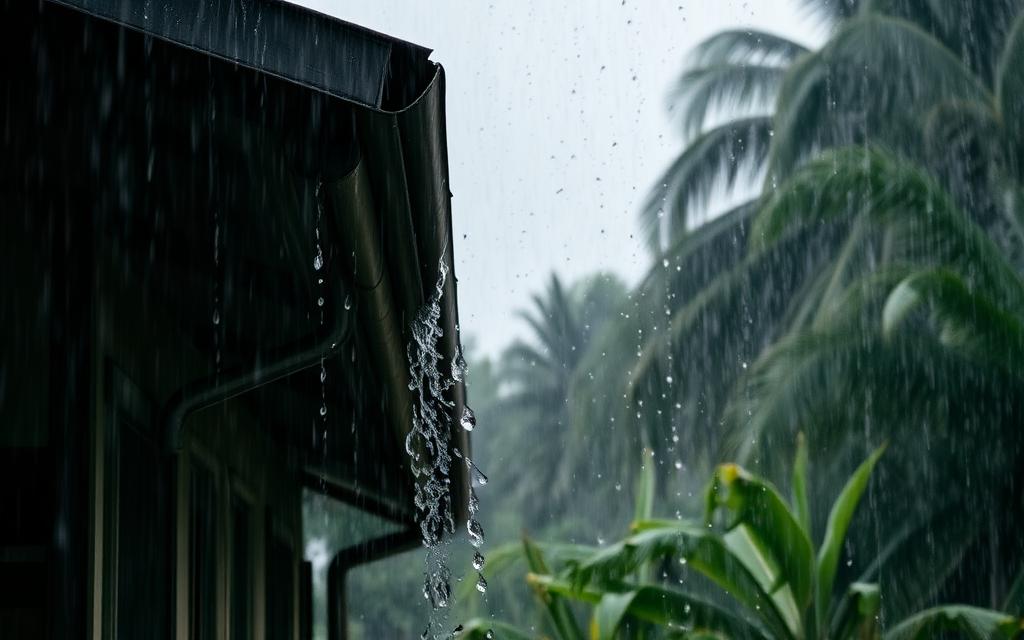
4. Clear the gutters and the surroundings
- Clear all gutters and downspouts of leaves, dirt and bird nests.
- Cut back any tree branches within 3 metres of the roof line.
- Secure or store loose items in the yard — flower pots, garbage bins, plywood — anything that can become a projectile.
- Check that your water tank straps are intact and the tank is properly anchored.
5. Document everything for insurance
Take dated photos of the roof, the soffit, the fascia, and any repairs you complete. If a storm does cause damage, your claim will move faster when you can show the pre-storm condition. Keep receipts for any work in a folder — digital is fine, but back it up.
Final word
Doing this checklist in May or early June costs almost nothing and takes a single afternoon. Doing it in October, with a storm 48 hours out, is impossible — every roofer is fully booked and the hardware stores are out of fasteners. Schedule your inspection now, and if you need a licensed roofer in your parish, post a job on BuildLink and we will match you with verified contractors.