Caribbean exterior paint has three enemies: UV, salt air and heavy rain. A standard interior-grade emulsion looks fine for six months on a Jamaican wall, then fades, chalks and starts peeling at the edges. Here is what actually works.
Acrylic vs alkyd vs elastomeric
100% acrylic exterior paint is the workhorse for most Jamaican homes — it breathes well, resists UV and lasts 7–10 years on properly prepared concrete. Alkyd (oil-based) is largely outdated for exteriors. Elastomeric coatings stretch over hairline cracks and are excellent for older homes with surface crazing, but cost roughly double.
What to use where
- Concrete walls (inland): premium 100% acrylic, two coats over a sealer primer.
- Concrete walls (coastal, within 5 km of sea): elastomeric or marine-grade acrylic.
- Wood fascia and trim: acrylic enamel with a quality oil-based primer.
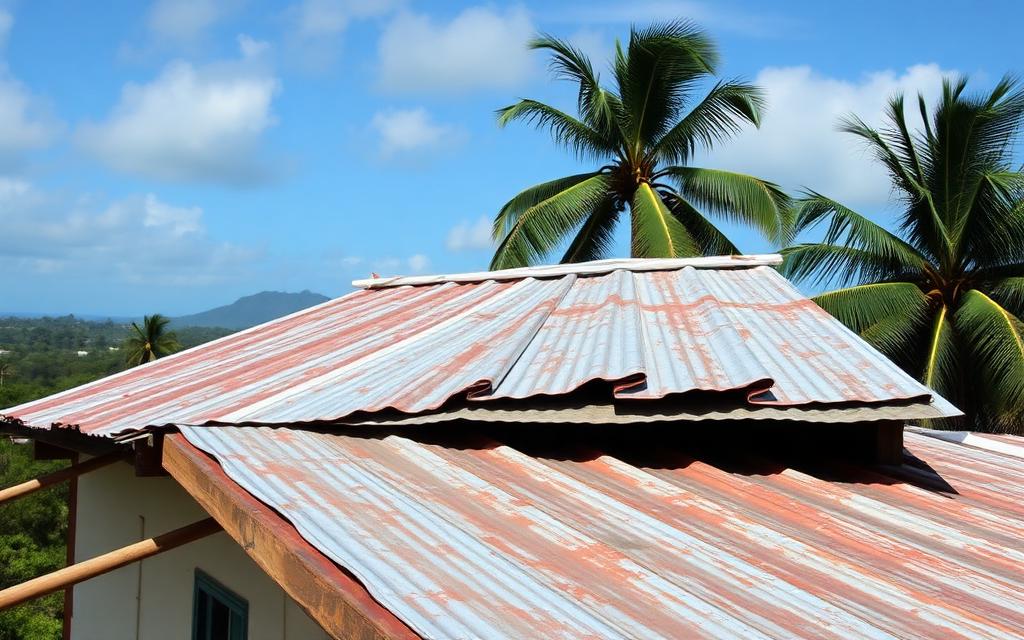
- Zinc roofing: specifically formulated metal roof paint, never general acrylic.
- Interior wet areas (bathrooms, kitchens): mildew-resistant acrylic with a satin finish.
Surface prep is 70% of the job
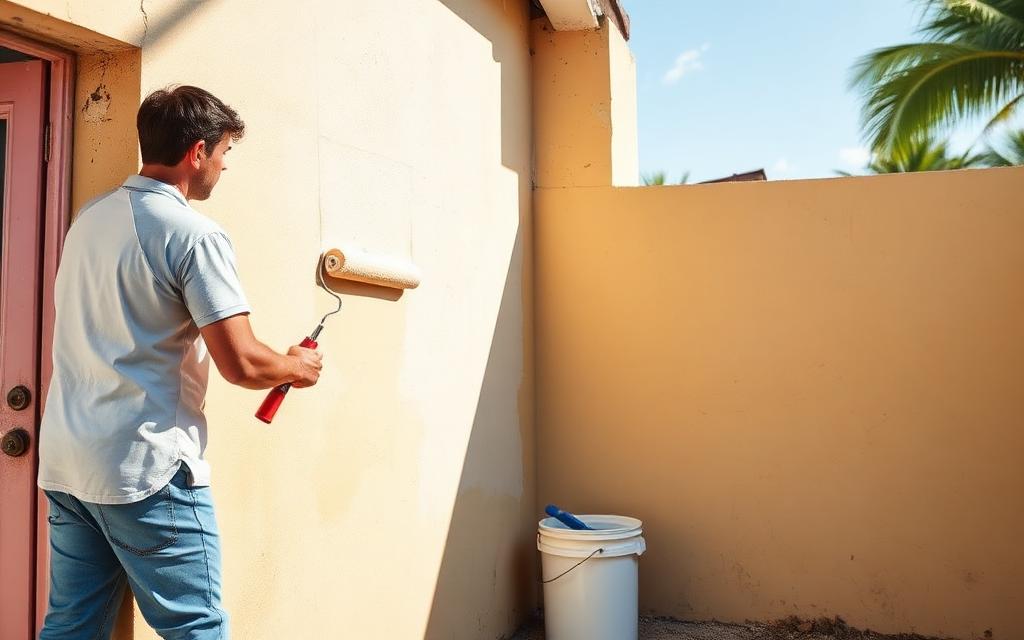
Even the best paint will fail on poor prep. The minimum for an exterior repaint is: pressure wash, scrape any loose material, repair cracks with the correct filler, sand smooth, prime any bare spots, then two full coats. A contractor who quotes a one-coat 'refresh' is selling you a six-month job.
Spotting a corner-cutting contractor
- Quotes that specify only one coat
- No surface preparation listed in the quote
- Will not name the brand and product line being used
- Thins paint heavily before application (you can see the bucket level barely move)
- Skips primer over bare patches
Final word
Buy the best paint you can afford, hire a contractor who insists on two coats, and you will not need to repaint for nearly a decade. Cheap paint and bad prep is the most expensive mistake in Jamaican exterior maintenance. BuildLink can connect you with verified painters who quote properly.